

If you’d told me a few years ago that a relatively quiet Hawkins character would become the emotional heartbeat of a final season, I would have raised an eyebrow and bet on the heavier hitters to carry the load. Yet here we are, watching Holly Wheeler, played with surprising steel by Nell Fisher, seize the spotlight in Stranger Things 5. Part 1 of the fifth and final season doesn’t just push the story forward; it redefines how we measure impact in a show that has long thrived on a beloved, established ensemble. In a season that could have leaned heavily on nostalgia, the writers and Fisher’s performance prove that a fresh voice can resonate just as deeply as the original cast.
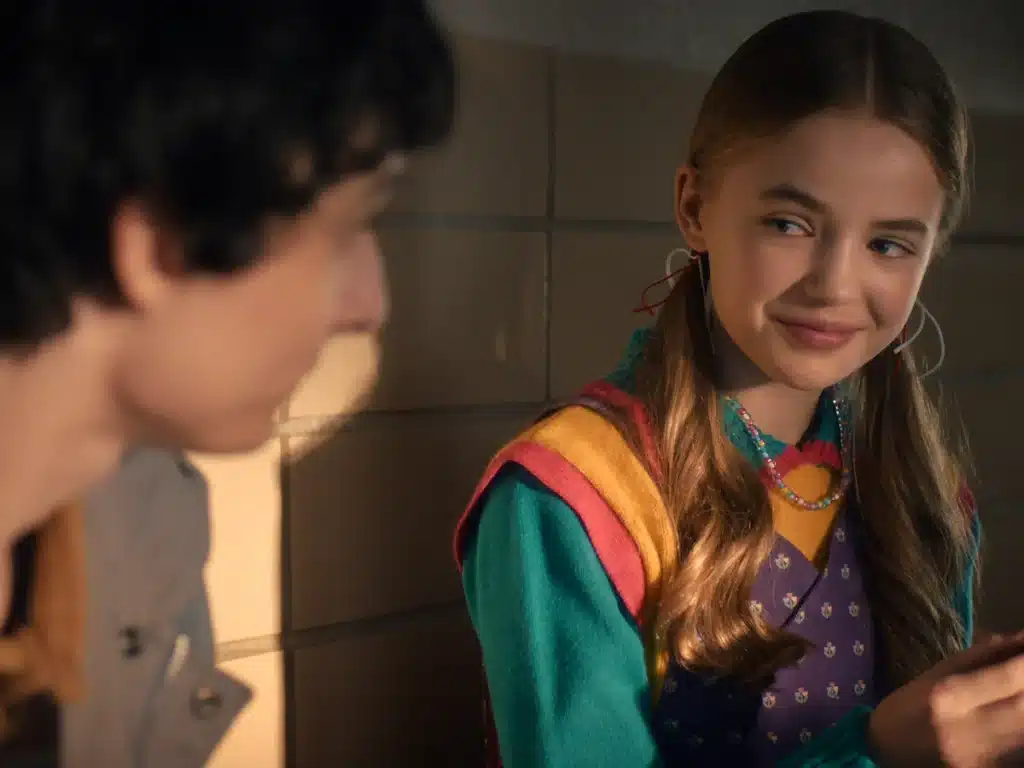
Holly’s arc begins with a quiet, almost understated presence in previous seasons. A background detail, a familiar face in the growing crowd of Hawkins’ youngsters, she wasn’t supposed to be a headline act. And that’s precisely why her ascent feels so earned in Stranger Things 5. The decision to recast Holly—an audacious move in a show held in such affectionate regard for its core group—could have been a misstep. Recasting is always a risk in a franchise built on character fidelity. Yet the moment Fisher appears on screen, that risk dissolves. She doesn’t imitate a memory; she forges a new one, one that sits seamlessly alongside the rest of the gang while carving out its own distinct path.

The central pivot of Part 1—Holly’s capture by Vecna—serves as the season’s emotional compass. It’s not merely a plot device to raise stakes; it’s a narrative catalyst that reframes Holly’s place in the story. The line between “supporting character” and “crucial protagonist” blurs as Holly confronts horrors far beyond what a child should endure. The writing gives her room to breathe under pressure, letting small, observational moments—her quick wit, the way she processes danger, the stubborn courage that flickers in her eyes—fuel a character arc that feels both intimate and expansive.
That transition from background kid to indispensable ally is not just a triumph of performance; it’s a testament to the writers’ intent. Stranger Things has always trusted its audience to fill in the gaps with affection for a universe that feels lived-in and real. By lifting Holly to the foreground, the show reaffirms its commitment to growth within a beloved cast. The decision to foreground a young character who hadn’t previously carried the plot’s weight is a deliberate risk, and it pays off with dividends in tension, empathy, and momentum.

Nell Fisher’s portrayal deserves special praise. The challenge of stepping into a role that has existed in the margins of a sprawling ensemble is nontrivial. Fisher doesn’t mimic; she inhabits. She catches the tremor of fear and the spark of stubborn resilience with a deft balance that makes Holly’s fear feel tangible while her bravery remains quietly even more compelling. It’s in the smallest reactions—the flutter of a hand, a careful, hopeful smile—that you realize Holly isn’t just reacting to events; she’s shaping them from within, a quiet force that grows into a loud, undeniable presence.
And then there’s the storytelling discipline that underlines Holly’s ascent. Stranger Things 5 leans into a slower burn that rewards patient viewing, especially in the first batch of episodes. The plot threads that unfold around Holly aren’t mere set dressing. They are woven with care into the larger siege against Vecna, tying personal stakes to the larger mythos in a way that feels inevitable rather than contrived. The result is a season that breathes differently—still familiar and crowded with the show’s signature neon-drenched dread, yet sharper, more intimate, and unafraid to let a younger character shoulder heavy responsibility.
Holly’s rise also enriches the fandom’s emotional landscape. One of the most gratifying aspects of this development is how it reframes the series’ themes of family, courage, and growth. The Wheeler clan has always been a symbol of supportive, stubborn love in the face of otherworldly threats. Holly’s enhanced role doesn’t erode that dynamic; it deepens it. We see a girl who has learned to endure, to protect, and to trust her own instincts enough to step into danger on behalf of others. It’s a narrative reminder that heroism isn’t reserved for those with the loudest declarations; sometimes it’s the quiet, persistent will to stay and fight that matters most.
For longtime fans, Holly’s moments might become the season’s most quotable or most rewatched. The thrill of seeing a younger character rise to the occasion has a universal appeal—an underdog story, transplanted into a mythic horror framework. And while Eleven, Mike, Will, Lucas, Dustin, and the rest remain essential, Holly’s storyline provides a fresh lens through which to view the battle against Vecna. In doing so, Stranger Things 5 preserves its core identity—an ensemble that feels both family and battlefield—while expanding its scope to include a new, indispensable voice.
As Part 1 closes, the question isn’t whether Holly will survive the season’s peril, but how her perspective will continue to recalibrate the show’s dynamics in the episodes yet to come. If the momentum persists, Holly could become the season’s defining throughline, a quiet protagonist whose courage echoes long after the credits roll. For viewers who came for the nostalgia and stayed for the surprises, Holly Wheeler’s ascent is a welcome, earned triumph—proof that Stranger Things’ final act can honor its past while inviting a new star to shine brightest when the stage is at its most perilous.